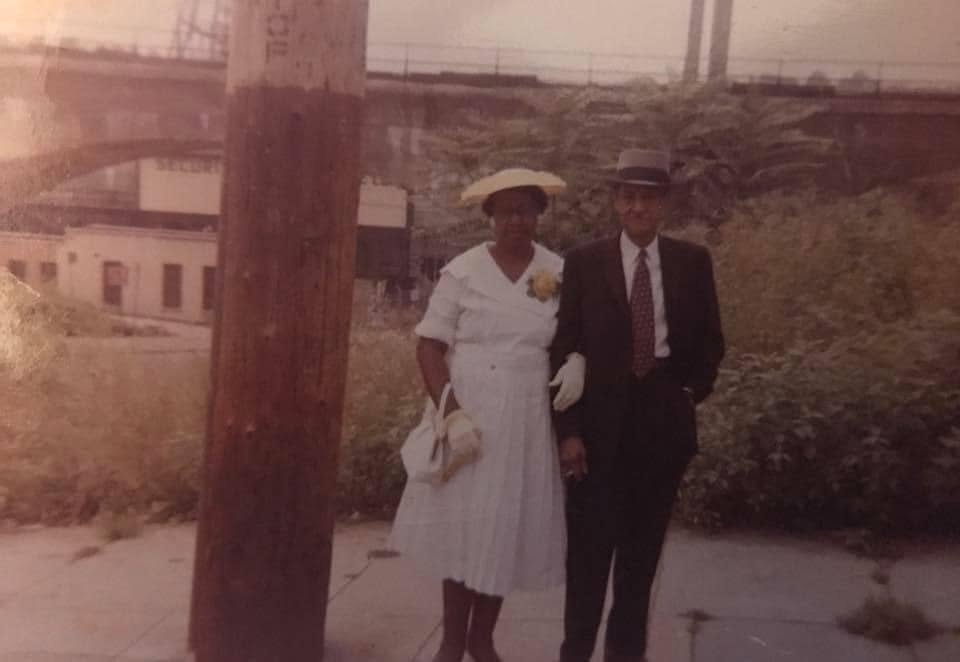
I didn’t set out to write local history. I set out to answer a family question that had been sitting with me for years: where exactly did my great-grandfather live when his family first put down roots on this side of the Schuylkill?
The answer turned out to be a small stretch of River Road in Lower Merion, at a house that had once been part of the old Flat Rock Hotel, also remembered as the Tunnel House. I found it first in the 1950 census, a single line in a stack of records that most people would scroll past without a second look. But that line had a name on it I recognized, and once I saw it, I couldn’t stop pulling the thread.
My family’s story starts further south. Like so many Black families in this era, mine made the journey north during the Great Migration, leaving South Carolina in search of steadier ground. Along the way, and after, the family surname changed, one of those small quiet shifts that families made without much ceremony but that can make tracing a lineage feel like following footprints that occasionally disappear. Piecing together where they landed and how they built a life here took patience, and it took more than paper.
The census gave me a starting point, but it was a conversation with my 78-year-old cousin, the daughter of my great-grandfather’s oldest son, that made the history feel real. She remembered the house at Flat Rock the way you remember a place you actually lived in, not the way you remember a name on a document. She told me about the outhouse, and about the roosters that used to perch on top of it like they owned the place. She told me about her grandmother, my great-great-grandmother, washing clothes down at the river, the same river that runs past that stretch of road today. Those details don’t show up in any census. They only live in memory, and memories fade if nobody writes them down in time.
From Lower Merion, the family’s story carried across the river and into Manayunk and Roxborough, where they became part of the congregation at what was then Umbria Baptist Church, now New Umbria Baptist Church. Generations of my family worshipped there, worked in the mills that shaped that neighborhood, and built a life that connected these two communities long before I ever thought to write any of it down.
What I’ve learned doing this research is that family history and local history are really the same work, just told at different distances. The Lower Merion Historical Society’s own records, built block by block and family by family, are what make it possible for someone like me to place my great-grandfather’s household on an actual map instead of leaving him as a name my family repeated without ever being able to point to where he stood. I’m grateful this research now has a home in your reference materials, and I hope it helps someone else looking for their own footprints along River Road, the way I was looking for mine.
If you’re doing this kind of research yourself, my advice is simple. Start with whatever document you have, even if it’s just one line. Then go find the people who remember what the document can’t tell you. The paper gives you a place. The people give you the roosters on the outhouse and the sound of laundry being beaten against river rock. You need both.