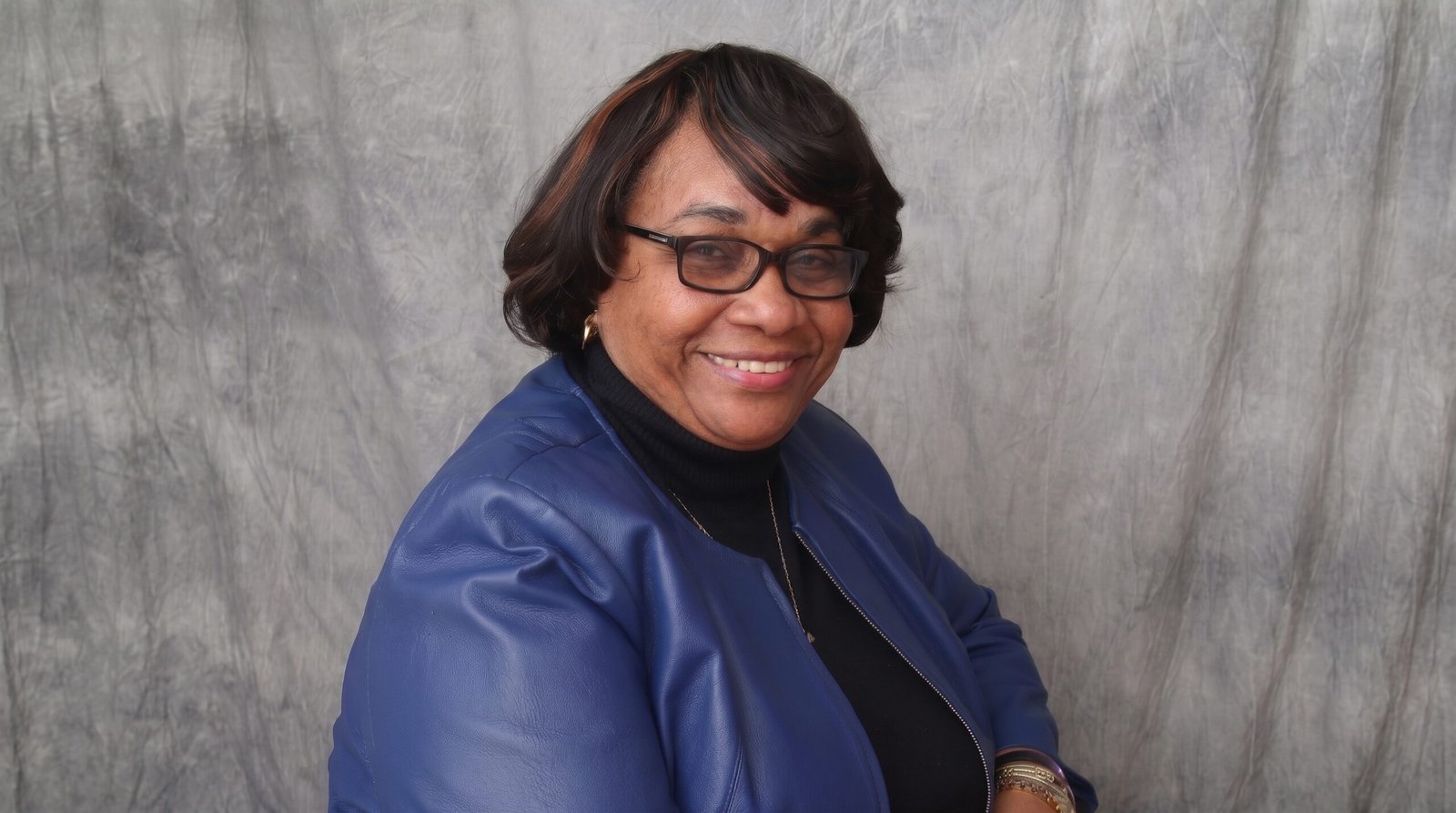
On this episode of Black Manayunk Stories, host Arrita Robinson sat down with Glennie Clark, who shared a lifetime of memories about growing up Black in Manayunk and Roxborough. From a three-house street with one telephone to a church that held the whole community together, Glennie’s story is a window into a Manayunk most people have never heard about.
Life on Linney Street
Glennie was raised on Linney Street, in a three-story house that sat directly behind Umbria Baptist Church. The street held only three homes: her family’s, her Aunt Hattie Randall’s, and the home everyone knew as “Miss Mary’s.” Miss Mary’s house was the only one with a telephone, which made her the unofficial message center for the whole street. If you needed word passed along, it went through Miss Mary.
Those homes didn’t have indoor plumbing. Families relied on outhouses, and warmth came from potbelly stoves, which also heated bathwater in the kitchen. On cold nights, Glennie remembers bricks wrapped in cloth, heated on the stove, and tucked at the foot of the bed to keep warm until morning.
Childhood still found its fun. Glennie and her siblings, JD Jr., Oberia, and Tommy, spent time near the local commuter rail line, playing games of chicken on the tracks before a train came through, the kind of memory that makes you laugh and wince at the same time.
School and the Mills
Glennie attended Dobson Elementary through seventh grade, then Roxborough High from eighth through twelfth. Dobson operated with strict neighborhood residency rules, closer to a charter school than a typical public school, and at the time Glennie attended, only about ten Black students were enrolled. She remembers Black students being placed into specialized speech classes meant to change how they sounded, aimed specifically at softening Southern accents.
Her father, Theodore James “JD” Clark, came north from Cordele, Georgia, and found work at the mills, including the J.G. Littlewood cotton dyeing mill on Main Street. He’d served in the Army, where he picked up the name “JD” because his signature, an X, looked close enough to those initials that it stuck. He never had a formal education, but he taught himself to read using the Bible, with his own children helping him along the way, eventually earning his stationary boiler engineer license.
The Church That Held It All Together
Umbria Baptist Church was the center of Black community life in Manayunk. Glennie’s memories of the church are full of warmth and personality: shout services that shook the room, singers like Tommy Thornton who were practically local celebrities, and her mother Lily Mae’s cooking ministry. Lily Mae cooked for the church and became known for her breakfast spreads and her barbecue sauce, the kind of food that made people show up early and stay late.
Long before Manayunk Canal Day became the neighborhood’s official summer tradition in the 1970s, the Black community had already been throwing its own block parties along Roxborough Avenue every summer and fall. DJ Blind Teddy kept the music going, soul food covered every table, and the parties pulled in neighbors from across racial lines, a gathering that brought the whole area together well before the city caught on.
Continuing Her Father’s Work
Toward the end of the conversation, Glennie talked about her work with the OB Domestic Violence Foundation, an organization she founded in memory of her sister. The foundation took shape in June 2016 under the mentorship of the late Rev. Dr. Robert P. Shine, Sr., and has grown under the ministry of Berachah Baptist Church in Philadelphia.
OBDV provides counseling, temporary emergency lodging support, and advocacy that crosses state lines for survivors of domestic violence. Each year, the foundation hosts a Women’s History Month Tea in March and a Domestic Violence Awareness Month concert in October, events that turn awareness into action for the community Glennie has spent her life serving.
From a street with three houses and one telephone to a foundation built in her sister’s memory, Glennie Clark has spent her whole life showing up for the people around her, exactly the way her mother did before her.
Have a family story tied to Manayunk or Roxborough’s Black churches, schools, or community life? We’d love to hear it. Reach out through our Get Involved page to share your story or request to be a guest on Black Manayunk Stories.